Denali National Park & Preserve


How Long to Spend
Why Visit Denali National Park?
Denali National Park is Alaska’s most popular land attraction—and with good reason. You can see some of Alaska’s most famous sights:
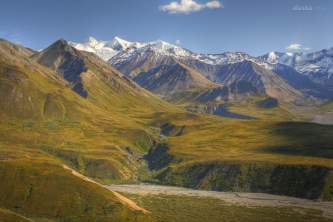
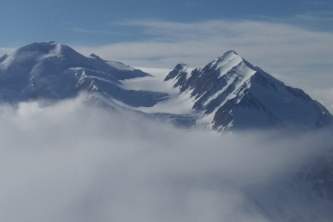
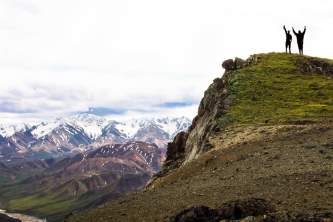
- See Mt. Denali and the continent’s highest peaks in the Alaska Range.
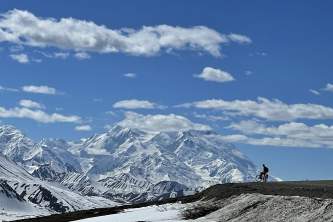
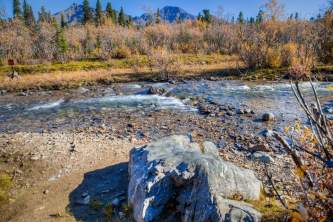
- Experience A vast, unspoiled wilderness of braided glacial rivers, massive peaks, and tundra.
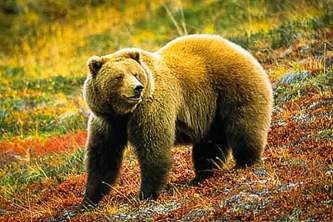
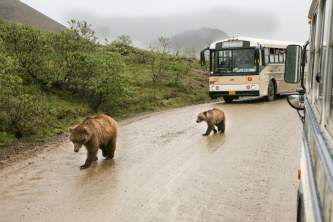
- Lots of wildlife Viewing Opportunities: You have the chance to see moose, caribou, grizzly bears, Dall sheep, and wolves along the Denali Park Road.

A grizzly bear crosses the Denali Park Road. Other animals seen from the park road include moose, caribou, Dall sheep, and sometimes foxes or wolves.
How Long To Stay?
If you're visiting from Anchorage, you can’t really do Denali in a day, because it takes 5.5 hours to get there by car or 8 hours by train. We recommend staying 2 nights, if you stay near the Park entrance or camp. This gives you one full day in the park to take a bus tour along the Denali Park Road, or experience the park in another way such as hiking or biking. Plan on 3 or 4 nights if choose a lodge in Kantishna, deep inside the park. If you're visiting from Fairbanks (2.5 hours by car or 4 hours by train), you could spend a few hours exploring the visitor center and nearby trails, but we still recommend staying at least one night.
Favorite Activities in Denali National Park
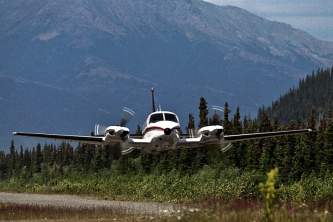
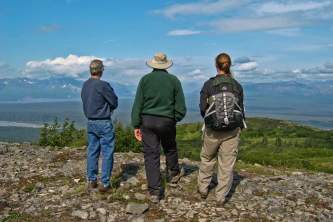
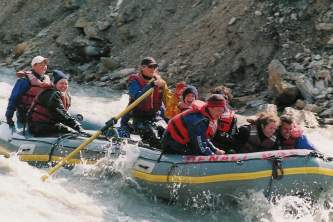
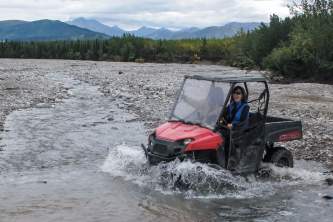
Most independent travelers explore Denali by taking one of the bus tours, each of which covers varying lengths of the Park Road. You can compare different Park Road tours to see which is best for you, but keep in mind that you don’t have to stick with a bus. Rent bicycles and go solo—or use the hop-on, hop-off Park Shuttle to hike sections of the park on your own. Go rafting, flightseeing, take a rowdy ATV tour, ziplining, or join a guided hike. If you stay at one of the lodges deep inside Denali you can hike, bicycle, canoe and experience Denali National Park away from the crowds.
While in Denali, practice Leave No Trace ethics. Choosing reusable bags, water bottles, and recycling are easy ways to reduce waste while you travel. Check out these sustainable travel tips.
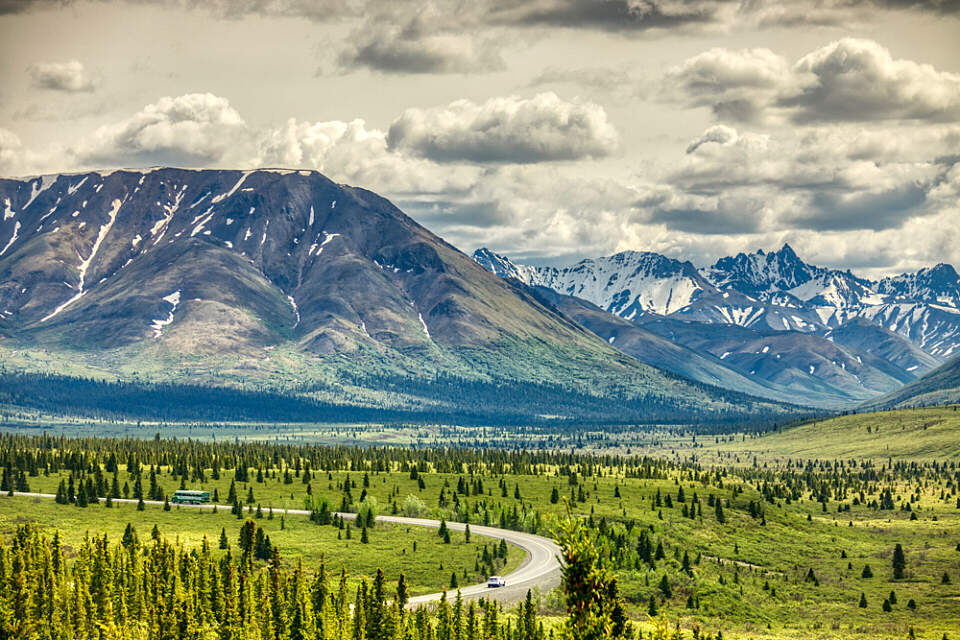
The first 43 miles of the Denali Park Road are currently open to visitors
Getting to Denali
By Car: Denali is 5½ hours from Anchorage and 2.5 hours from Fairbanks by
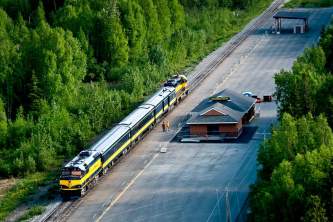
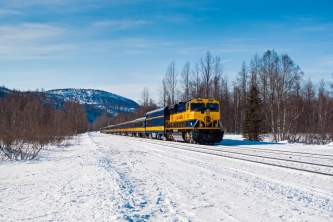
By Train: Denali is 8 hours by the Alaska Railroad from Anchorage, or 4 hours by train from Fairbanks.
My Motorcoach: The Park Connection provides transportation between Seward, Anchorage, and Talkeetna to Denali. If you arrive by motorcoach or train, Sheep Shuttle can help you reach lodging areas south of the Denali Park entrance.
For more information, see Anchorage to Denali, Seward to Denali, or Fairbanks to Denali.
Getting Around Denali
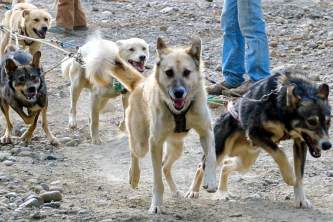
Over the past several years, an ongoing landslide has intermittently closed part of the Denali Park Road, requiring a massive effort by the National Park Service to keep the area safely maintained for visitors and staff. In the summer of 2024, construction will continue for a bridge bypassing the landslide. During construction, visitors will have access to the first 43 scenic miles of the park road. You can book a tour or use the park shuttle. Shuttles also operate between the park entrance area hotels, visitor center, dog sled kennels, and front-country hiking trails. Sheep Shuttle can help you reach lodging areas south of the Denali Park entrance.

Denali National Park & Preserve Maps
Things to Do in Denali National Park & Preserve
Highlights
More Things to Do View All
Land Recreation & Sports
Sightsee & Shop
Parks & Trails
Food & Drink
On the Water
Art, Culture & History
Where to Stay View All
Denali National Park & Preserve Advice